
Hemorrhoids, fissures and constipation share a common cause: hard stools and straining. The good news is that the same daily measures prevent all three.
How much fiber
Most adults need 25 to 30 grams a day and eat less than half of that. Increase it gradually over two or three weeks; adding it all at once causes gas and bloating.
Where to find it
- Legumes: beans, lentils and chickpeas, about 7 to 8 grams per half cup.
- Whole grains: oats, whole-wheat bread, brown rice.
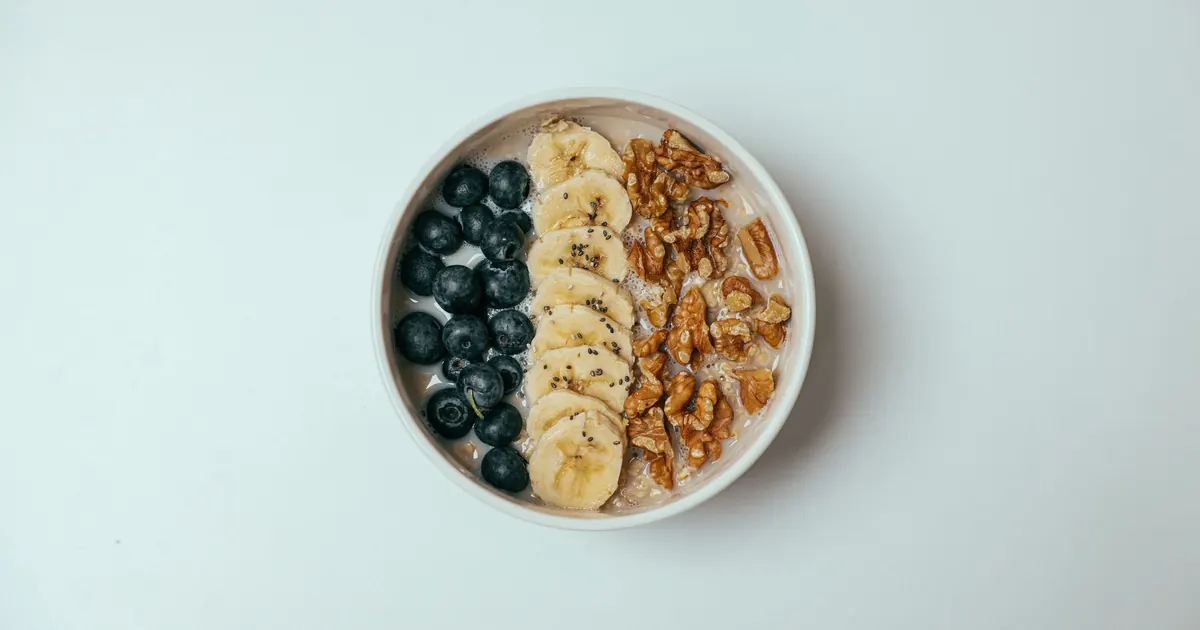
- Fruit: pear, apple with skin, berries, papaya, prunes.
- Vegetables: nopal, broccoli, carrots, leafy greens.
- Seeds: chia and flaxseed, one tablespoon at a time.
- Supplements: psyllium, when diet is not enough.
Water
Fiber works by holding water. Without enough fluid, it can make constipation worse. Six to eight glasses a day is a reasonable target for most people.
5 bathroom habits
- Go when you feel the urge; do not hold it.
- Do not strain or push.
- No more than 5 minutes on the toilet. Leave the phone outside.
- Raise your feet on a small stool: the position straightens the rectum.
- Clean gently with water or unscented wipes; do not rub.
Move
Regular physical activity stimulates the bowel. Thirty minutes of walking a day is enough to notice a difference.
When habits are not enough
If the bleeding, pain or constipation continue after a few weeks of doing this well, it is time for an exam. Persistent symptoms deserve a diagnosis.