
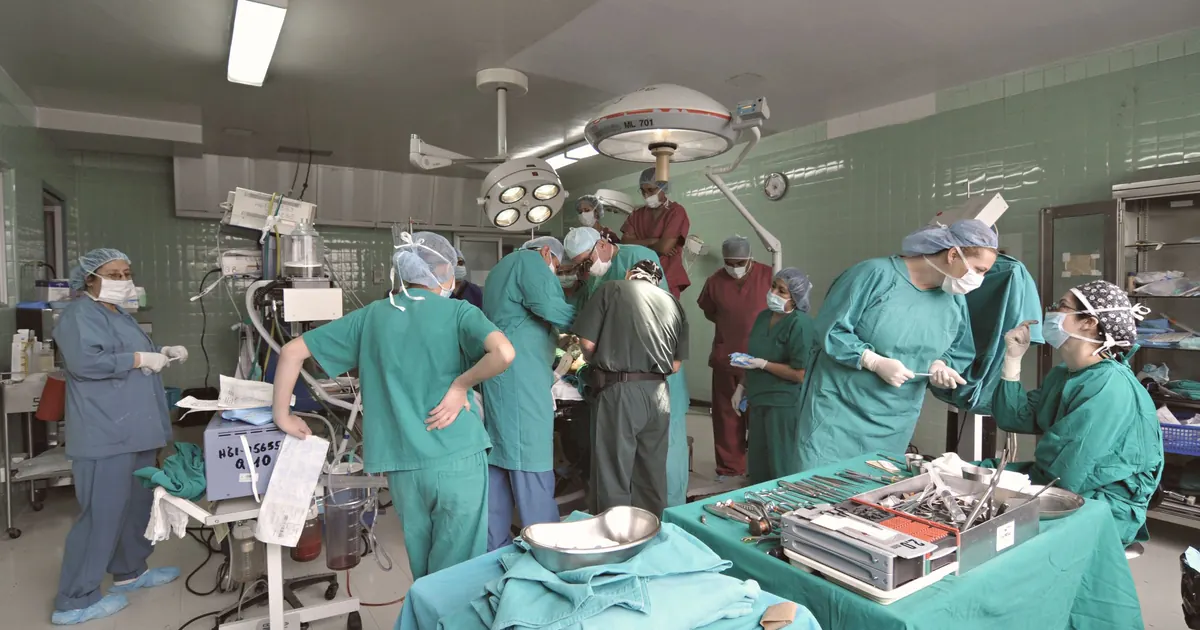
A colon and rectal surgeon is a physician who, after medical school, completes a residency in general surgery and then additional training devoted exclusively to the colon, rectum and anus. It is the same specialist that patients usually call a proctologist.
What the extra training adds
The anus and rectum are small, delicate areas packed with nerves and with the muscles that control bowel movements. Operating there requires specific techniques to solve the problem without affecting continence. The additional training also covers colonoscopy and the surgery of colorectal cancer.
Operations they perform
- Anorectal: hemorrhoidectomy, fissure and fistula surgery, abscess drainage, removal of warts.
- Colon: removal of segments for diverticulitis, cancer or large polyps.
- Rectum: surgery for cancer and for rectal prolapse.
- Stomas: creation and reversal of colostomies and ileostomies.
Whenever possible these are done by laparoscopy, through small incisions.
Questions worth asking before surgery
- Why is surgery recommended in my case, and what are the alternatives?
- Which technique will be used, and why that one?
- What are the specific risks for me?
- How many days in hospital, and how long until I can work?
- Who do I call if something worries me after I go home?
A good surgeon answers all of them before you sign anything.
How to verify credentials in Mexico
Professional licenses (cédulas) can be checked for free on the public registry of the Secretaría de Educación Pública, and board certification with the Mexican council of the specialty. Ask for the numbers; it is your right.